Lucid Trading Review: LucidFlex, Pro, Daily and Direct — Which Plan Fits, and How the Payouts Work
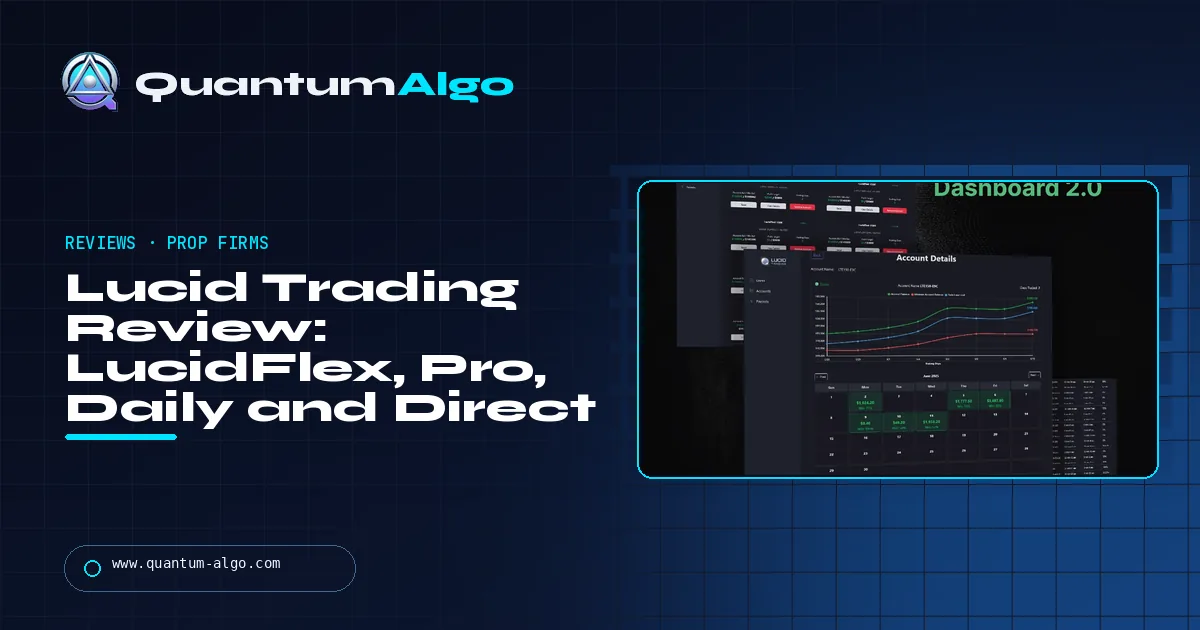
Lucid Trading is a US futures prop firm founded in 2025 with one-time fees, no activation fee, an end-of-day trailing drawdown on most plans and a 90/10 split. LucidFlex applies its 50% consistency rule only in the evaluation and pays after five $150 winning days; LucidPro and LucidDirect apply theirs to payouts. No overnight holds. Rating 4.2/5.
Lucid Trading arrived in 2025 and quickly became one of the firms traders recommend to each other, because it put together the four terms people usually have to choose between: one-time pricing, no activation fee, an end-of-day drawdown on the funded account and a 90/10 split. This review explains the four plans and the rule that separates them, how payouts based on winning days work, the platforms, and where the short track record matters.
Indicators that prove themselves in public.
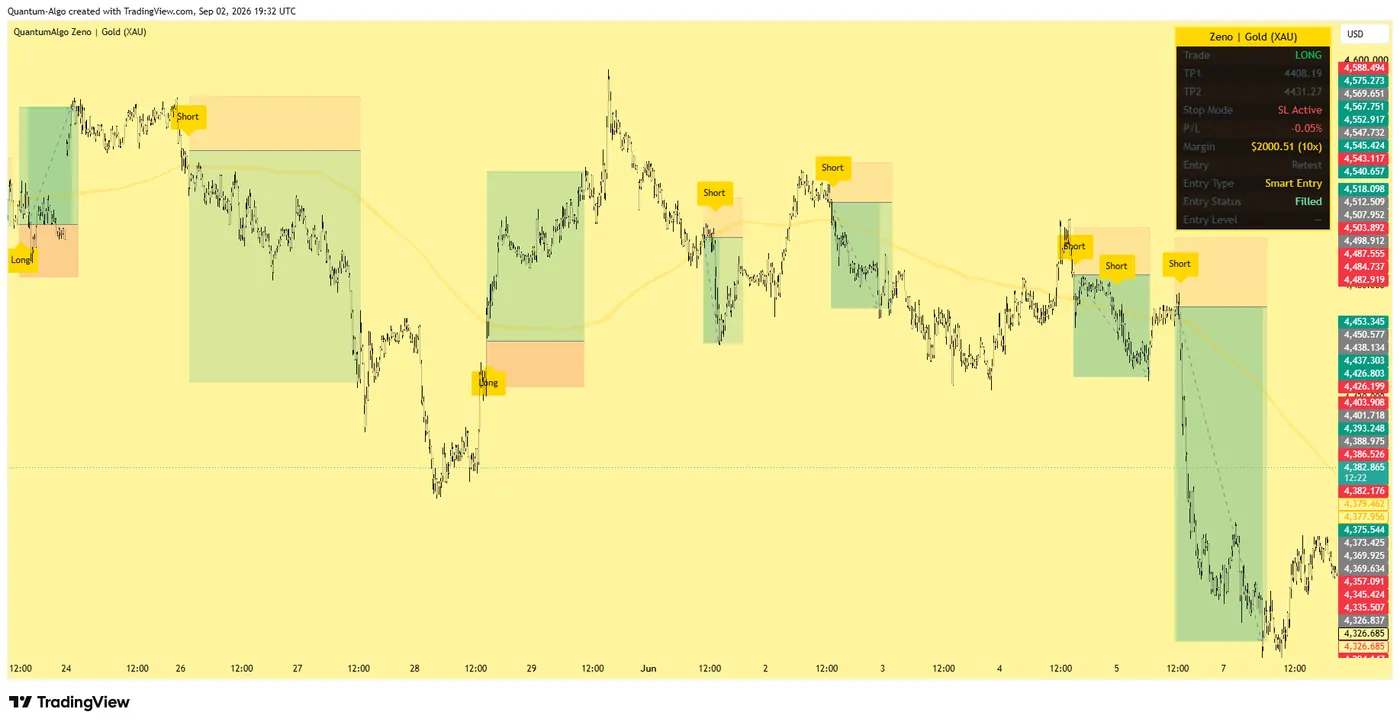
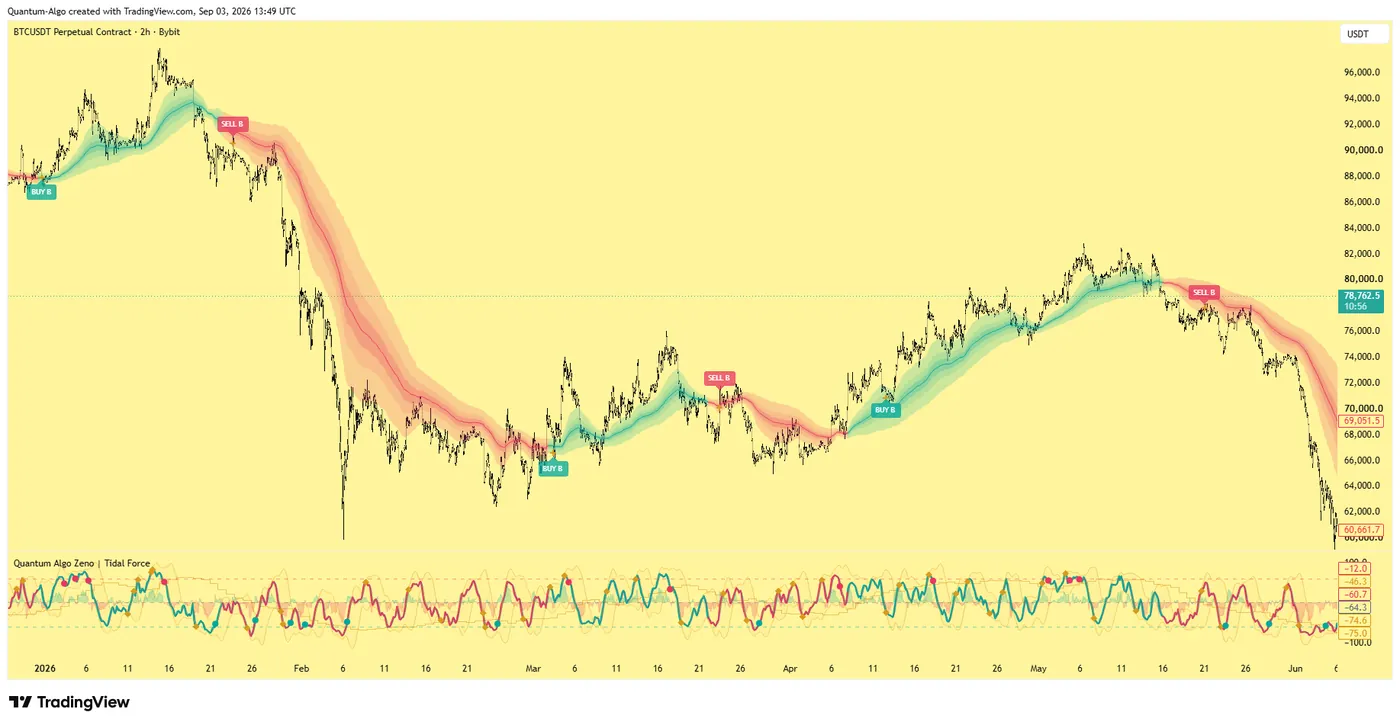
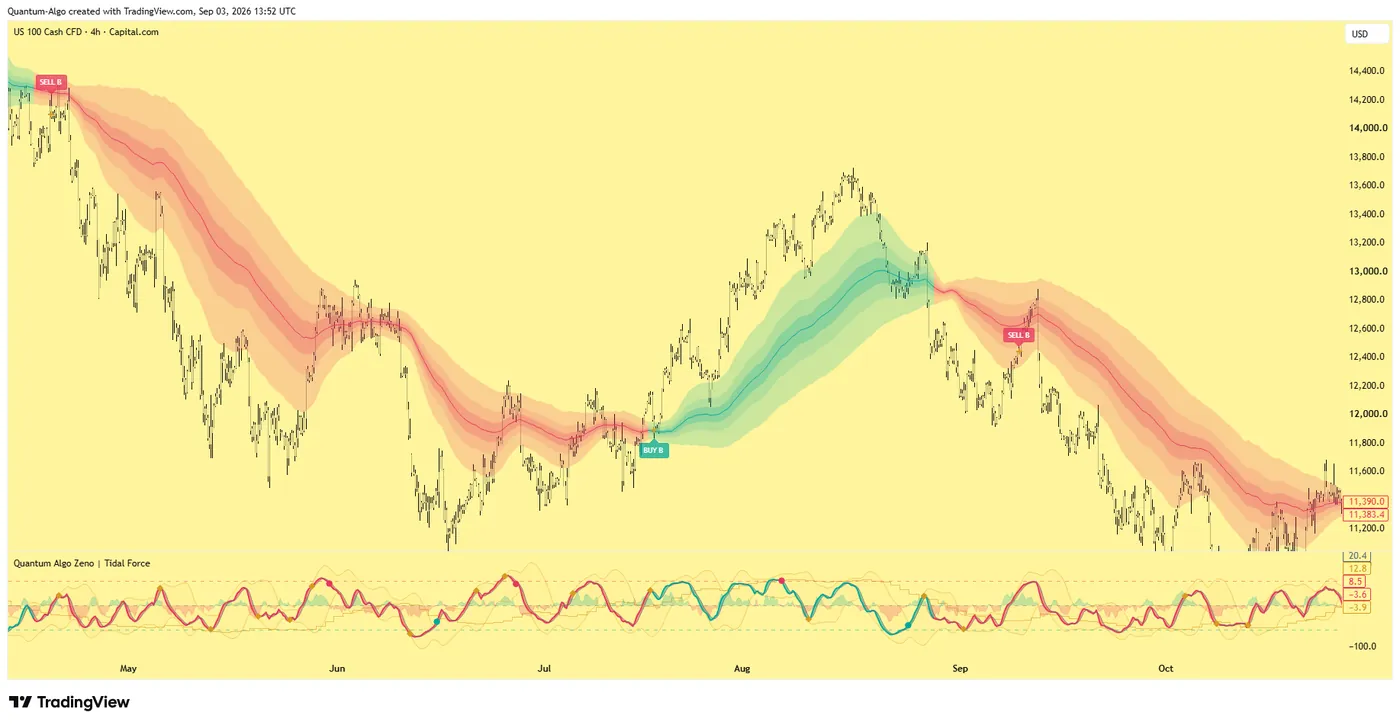
One engine, four precision tools — the Gold (XAU) Scalper, the institutional Gravity Zone, the Zeno momentum Oscillator, and Zeno Stocks for equities.
What is Lucid Trading?
Lucid Trading is a US futures prop firm founded in 2025 by AJ Campanella — one of the newest firms on this site and one of the fastest-growing, with a Trustpilot rating around 4.5 on more than 5,000 reviews within its first eighteen months. Its model is the modern futures template, refined: one-time fees rather than subscriptions, end-of-day trailing drawdowns on most plans, a 90/10 split from the first payout, and several account types aimed at different payout habits rather than one product with add-ons. Accounts run on both the CQG and Rithmic feeds, so TradingView, Tradovate and NinjaTrader work, and so do Quantower, Sierra Chart, Bookmap and ATAS.
This review is for the trader comparing Lucid with My Funded Futures, Tradeify, Topstep and Take Profit Trader, and for the Lucid customer deciding between LucidFlex, LucidPro, LucidDaily and LucidDirect. It covers each plan and the rule that distinguishes it, payouts, platforms, the short-history risk, and a picker. Rules were checked in September and October 2026; Lucid changes its products often, so read its rules page before buying.
Is Lucid Trading worth it?
Rating: 4.2 / 5. A well-designed futures firm: one-time pricing, end-of-day drawdowns where they matter, 90/10 from the first payout, payouts approved quickly and paid within about two business days, and both major data feeds. Loses points for a short operating history, frequent product changes that make older reviews wrong, no overnight holding on any plan, and a consistency rule that moves between the evaluation and the funded stage depending on the plan — which is easy to misread.
Best for: intraday futures traders who want a 90% split immediately and an end-of-day drawdown, on TradingView or a Rithmic platform. Not for: overnight holders, traders who want a firm with a ten-year record, and anyone who buys a plan without reading which stage its consistency rule applies to.
What are the four Lucid Trading plans?
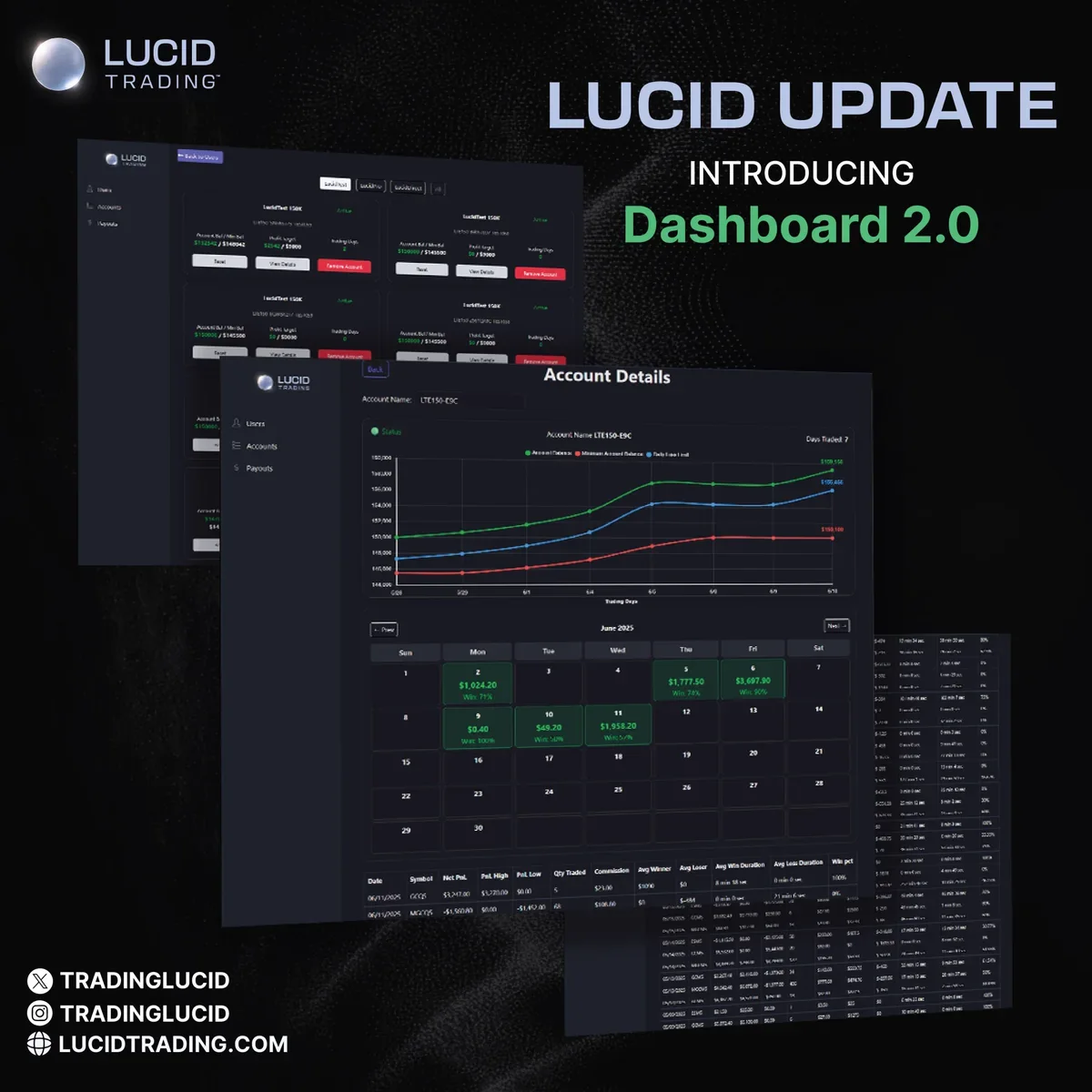
| LucidFlex | LucidPro | LucidDaily | LucidDirect | |
|---|---|---|---|---|
| Type | Evaluation | Evaluation | Evaluation | Straight to funded |
| Max loss | EOD trailing ($1k–$4.5k) | EOD trailing | EOD in eval; intraday when funded | EOD trailing ($1k–$5k) |
| Daily loss | Optional | Varies by size | Yes | Varies |
| Consistency | 50% in the evaluation only | 40% on funded payouts | 50% in the evaluation; none funded | 20% on funded payouts |
| Payouts | After 5 winning days ≥ $150; $500–$3k | Flexible timing; higher caps | Daily above the buffer | Flexible timing |
| Activation | None (reset fee only) | None (reset fee only) | None (reset fee only) | None |
| Split | 90/10 | 90/10 | 90/10 | 90/10 |
The distinguishing column is consistency. LucidFlex applies its 50% rule while you pass and then lets you be inconsistent once funded; LucidPro and LucidDirect apply theirs to payouts, which is where it hurts. If your results come from one or two big days a week, Flex is the plan; if your days are even, Pro's higher caps are worth the rule. Targets run from $1,250 on the $25k to $9,000 on the $150k, contract limits from two to ten minis, and there are no monthly fees — a $50k LucidFlex lists at about $149 one-time and is usually sold with a 30–40% code. The cheapest prop firms guide puts that against every competitor.

Automate your trades. Let Quantum Algo trade for you.
Every signal executed on your own account — on your account, with the plan you define.
When can you request a Lucid payout?
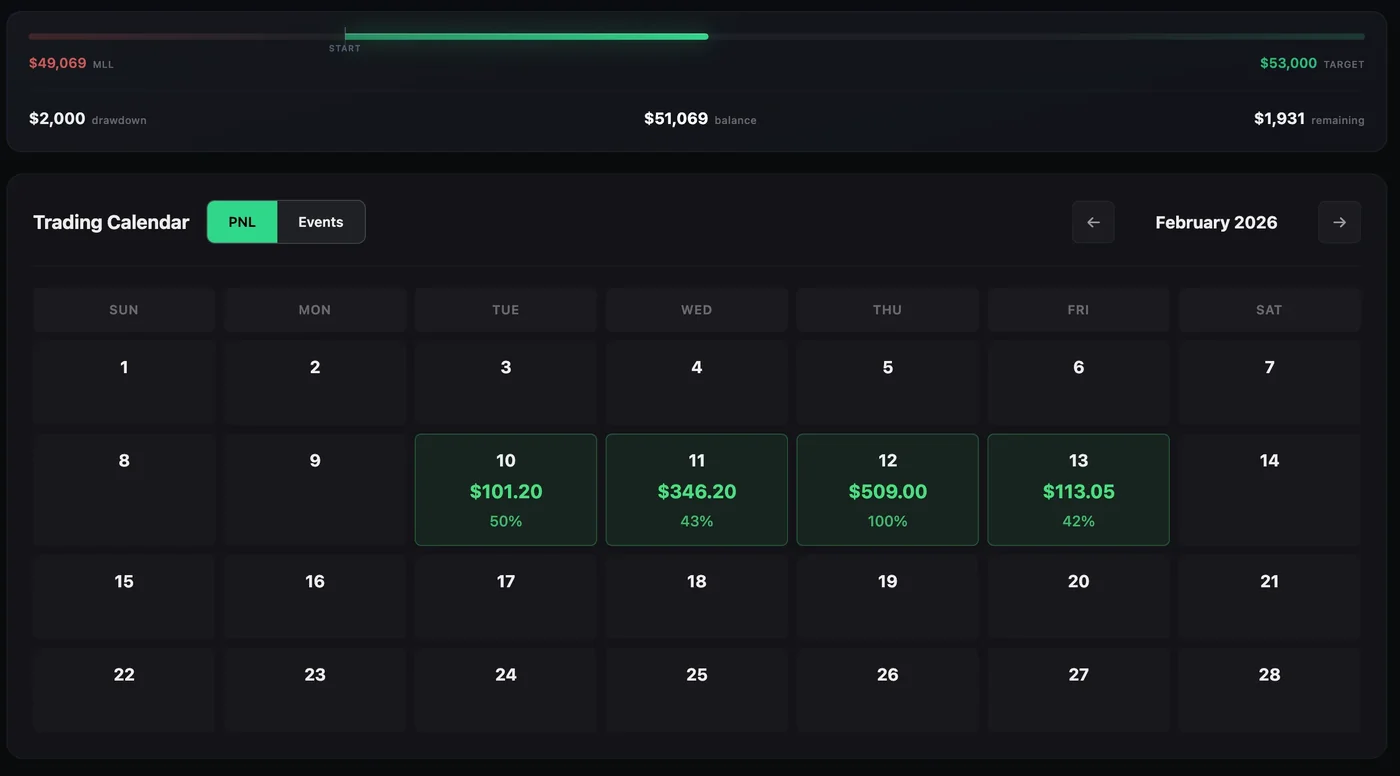
On LucidFlex a payout becomes available after five qualifying winning days — days that close at least $150 up — and can then be requested on any day, from $500 up to a cap that rises with the account size. Requests are approved within minutes and paid within about two business days. LucidDaily pays daily above a protected buffer; Pro and Direct have flexible windows with their consistency rules. The calendar view in the dashboard exists for this: green days above the threshold are the ones that count. A week with one $1,200 day and four small losses counts one winning day; a week with five $200 days counts five. The MFFU review describes the daily-eligibility alternative; the Take Profit Trader review the withdraw-any-day one.
Which platforms and rules apply at Lucid?
- CQG route: Tradovate, TradingView and NinjaTrader — the TradingView execution path most of our readers want. See the TradingView prop firms guide.
- Rithmic route: Quantower, Sierra Chart, Bookmap, ATAS, MotiveWave and R|Trader Pro for order-flow traders — the Rithmic vs Tradovate answer explains the trade-off.
- Holding: no overnight or weekend positions on any plan; be flat before the close.
- News: LucidDaily's funded stage restricts trading around scheduled releases.
- Automation: allowed, within the usual exclusions; check the current wording before connecting a bot.
- Live capital: the move to a live account (LucidMaxx is invite-only) is discretionary.
How does Lucid compare with other futures prop firms?
| Lucid (Flex) | My Funded Futures (Rapid) | Take Profit Trader | Topstep | |
|---|---|---|---|---|
| $50k entry | ~$149 one-time (codes 30–40%) | $157 one-time | $170 / month | $49 / month |
| Activation | None | None | $130 (PRO) | $149 |
| Funded drawdown | End of day | Intraday (Rapid); EOD (Pro) | Intraday (PRO) | End of day |
| Split | 90/10 | 90/10 | 80/20 | 90/10 after 100% of first $10k |
| First payout | After 5 winning days ≥ $150 | Daily eligibility | Day one above the buffer | After 5 winning days |
| Platforms | CQG + Rithmic | Tradovate, TradingView, NinjaTrader | CQG + Rithmic | TopstepX, TradingView, NinjaTrader |
| Track record | Since 2025 | Since 2023 | Since 2021–22 | Since 2012 |
Lucid's distinctive combination is a 90/10 split, an end-of-day drawdown on the funded account, no activation fee and no subscription — the four things traders most often wish their firm had together. What it gives up is history. The Topstep review is the case for the long record.
Lucid plan picker
Choose the account size, evaluation or direct funding, how often you want to withdraw, how big your best day is relative to a week, and whether you hold through pullbacks. The picker names the plan whose consistency and drawdown rules fit.
Reference data
| Item | Value |
|---|---|
| Founded | 2025, United States; founder AJ Campanella; Lucid Trading Group LLC |
| Plans | LucidFlex, LucidPro, LucidDaily, LucidDirect; LucidMaxx by invitation |
| Sizes | $25k, $50k, $100k, $150k; targets $1,250–$9,000 |
| Drawdown | End-of-day trailing, except LucidDaily funded (intraday) |
| Consistency | Flex 50% evaluation only; Pro 40% funded; Daily 50% evaluation; Direct 20% funded |
| Payouts | 90/10; $500 minimum; caps rise with size; paid within ~2 business days of approval |
| Fees | One-time; no monthly fee; no activation fee; reset fees only |
| Platforms | CQG: Tradovate, TradingView, NinjaTrader · Rithmic: Quantower, Sierra Chart, Bookmap, ATAS, MotiveWave, R|Trader Pro |
| Holding | No overnight or weekend positions |
| Trustpilot | About 4.5 on roughly 5,400 reviews (August 2026) |
| Checked | September–October 2026 |
Worked example: LucidFlex $50k to first payout
Bought on a code for about $95. Target $3,000, end-of-day trailing max loss $2,000, the optional daily loss switched off, 50% evaluation consistency. Trading MNQ from TradingView at the New York open, two micros, the evaluation passes in nine sessions with a best day of $1,050 on $3,150 total — under half. Funded: no consistency rule now, but payouts need five days of at least $150. Week one produces $410, −$220, $180, $95, $640 — three qualifying days. Week two adds two more. Day ten: $500 request, approved in minutes, paid two days later at 90% — $450 on a $95 account. The rule that shaped the plan was the $150 threshold: small, steady green days, which is how the evaluation was passed anyway.
What mistakes do traders make with Lucid?
- Buying LucidPro or LucidDirect with a big-day trading style. Their consistency rules apply to payouts.
- Counting calendar days instead of qualifying winning days on LucidFlex.
- Choosing LucidDaily and holding winners through pullbacks — the funded drawdown is intraday.
- Holding into the close. No overnight or weekend positions on any plan.
- Trusting a review from three months ago. Lucid changes its products often.
- Ignoring the code. List prices are rarely what anyone pays.
How we trade a Lucid account
An end-of-day drawdown is forgiving to the Smart Money entry: a sweep of the overnight extreme, displacement, an entry at the order block, and room for the trade to breathe without the trail moving intraday. Zeno marks the levels on the TradingView chart connected through CQG; the session indicator keeps you in New York hours and flat by the close. The evaluation strategy lesson is the plan, and the futures indicators guide covers the rest of the chart.
Lucid offers the combination most futures traders want — one-time pricing, no activation fee, an end-of-day drawdown when funded and 90/10 from the first payout. Choose the plan by where its consistency rule sits: LucidFlex if your profits come from a few big days, LucidPro if your days are even and you want bigger payouts, LucidDaily only with tight stops, LucidDirect only with very even days. Bank green days above $150, be flat by the close, and re-read the rules page before each purchase.
◆ Interactive check
Do you know which Lucid plan fits?
Questions traders ask about Lucid Trading
Lucid Trading Group LLC is a US futures prop firm founded in 2025, with a Trustpilot rating around 4.5 on roughly 5,400 reviews as of August 2026 and widely reported payouts approved within minutes and paid within about two business days. Its main risk is its short history: the firm and its products are newer and change more often than older competitors.
One-time fees with no monthly charge and no activation fee. A $50k LucidFlex lists at about $149 and is usually sold with a 30–40% code; other sizes and plans scale from there. Reset fees apply if you breach. Checked September–October 2026.
Both are evaluations with an end-of-day trailing drawdown and a 90/10 split. LucidFlex applies a 50% consistency rule only while you pass and pays after five winning days of at least $150; LucidPro applies a 40% consistency rule to funded payouts but has flexible payout timing and higher caps. Uneven traders choose Flex; even traders choose Pro.
On LucidFlex, after five qualifying winning days (each at least $150 net), you can request from $500 up to a size-based cap on any day; approval is quick and funds arrive within about two business days, at a 90/10 split. LucidDaily pays daily above a protected buffer; LucidPro and LucidDirect have flexible windows subject to their consistency rules.
Yes on LucidFlex, LucidPro and LucidDirect, in both stages. LucidDaily uses end-of-day in the evaluation and an intraday trailing drawdown once funded.
Yes. On the CQG route Lucid supports Tradovate, TradingView and NinjaTrader, so you can execute from your TradingView chart. The Rithmic route supports Quantower, Sierra Chart, Bookmap, ATAS, MotiveWave and R|Trader Pro.
No. Positions must be flat before the applicable close on every plan, and weekend holding is not allowed.
Both charge one-time fees, no activation fee and pay 90/10. Lucid keeps an end-of-day drawdown on the funded account (except LucidDaily); MFFU Rapid switches to an intraday trail but offers daily payout eligibility. Lucid suits traders who hold through pullbacks; MFFU Rapid suits tight-stop traders who want daily withdrawals.
References & Related Guides
Read next
- My Funded Futures Review
- Take Profit Trader Review
- Topstep Review
- Apex Trader Funding Review
- Cheapest Prop Firms
- Prop Firms That Use TradingView
- Prop Firms for US Traders
- Rithmic vs Tradovate
- Tradovate Review
- Best Indicators for Futures Trading
- Prop Firm Evaluation Strategy (Academy)
- SessionScope — free session indicator